Meta Description: Gel nails vs acrylic nails — which is right for you? Discover the key differences in cost, durability, safety, application, and removal so you can make the perfect choice for your lifestyle.
Whether you’re heading to the salon for the first time or switching up your nail routine, the debate between gel nails vs acrylic nails is one of the most common questions in the beauty world. Both are popular nail enhancements, but they work very differently — and the right choice depends on your lifestyle, budget, and nail goals.
In this complete guide, we’ll break down everything you need to know: what each type is, how they’re applied, how long they last, how much they cost, which is safer, and how to remove them. By the end, you’ll know exactly which nail enhancement suits you best.
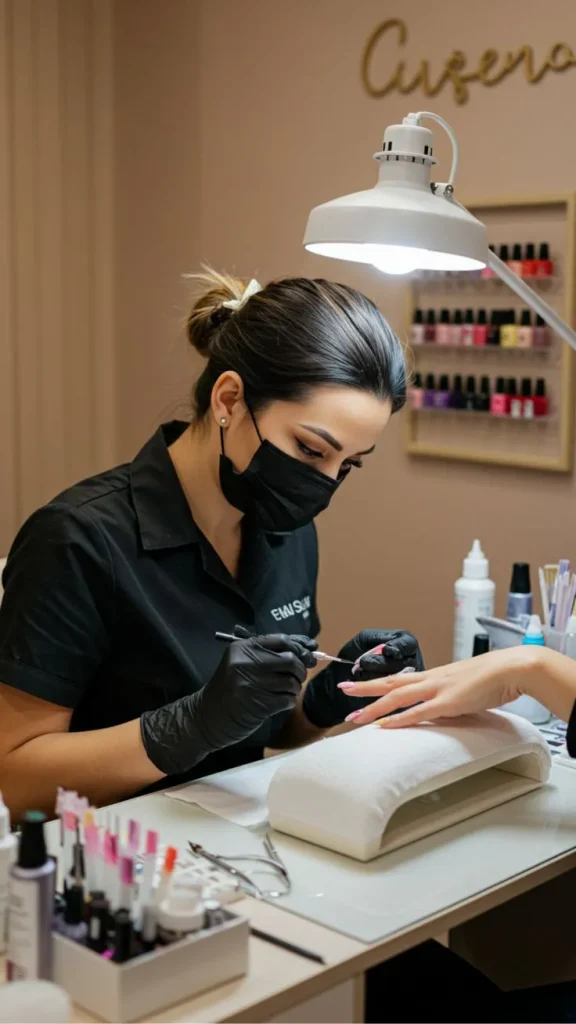
Table of Contents
- What Are Gel Nails?
- What Are Acrylic Nails?
- Gel Nails vs Acrylic Nails: Key Differences at a Glance
- Application Process
- Durability and Longevity
- Appearance and Finish
- Cost Comparison
- Safety and Nail Health
- Removal Process
- Who Should Choose Gel Nails?
- Who Should Choose Acrylic Nails?
- Frequently Asked Questions
- Final Verdict
1. What Are Gel Nails?
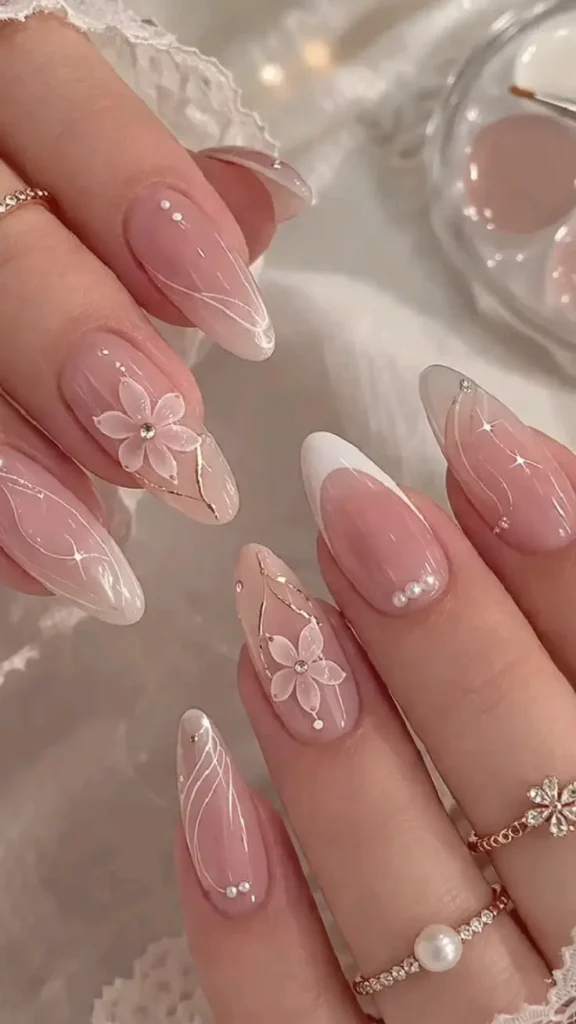
Gel nails are a type of nail enhancement made from a gel-based formula that is applied directly onto the natural nail or a nail tip. The gel is cured (hardened) under an LED or UV lamp, which bonds the product to the nail and creates a glossy, smooth finish.
There are two main types of gel nails:
- Soft Gel (Gel Polish / Shellac): A thin layer of gel polish applied over your natural nail. It looks like regular nail polish but lasts much longer — typically 2–3 weeks without chipping.
- Hard Gel: A thicker, more structured gel used to extend the nail. It provides more length and strength than soft gel but is more difficult to remove.
Gel nails are loved for their natural look, glossy finish, and flexibility. They feel lighter on the nail and are less likely to pop off suddenly compared to acrylics.
2. What Are Acrylic Nails?
Acrylic nails are created by combining a liquid monomer with a powder polymer to form a malleable dough-like substance. This mixture is applied to the nail and sculpted into the desired shape before it air-dries and hardens — no lamp required.
Acrylics have been a staple in the nail industry for decades, thanks to their incredible strength and versatility. They can be applied as an overlay on your natural nail or used to create dramatic length and shape extensions.
Because acrylics are so durable and customizable, they’re especially popular for:
- Nail art with intricate 3D designs
- Very long nail extensions
- People who work with their hands and need extra strength
3. Gel Nails vs Acrylic Nails: Key Differences at a Glance
| Feature | Gel Nails | Acrylic Nails |
|---|---|---|
| Finish | Glossy, natural | Can be glossy or matte |
| Application | UV/LED lamp required | Air-dries, no lamp needed |
| Durability | 2–3 weeks | 3–6 weeks |
| Flexibility | More flexible | More rigid |
| Smell | Mild or odorless | Strong chemical odor |
| Removal | Soaking or filing | Soaking in acetone |
| Cost | Higher | Lower |
| Nail Health | Gentler | More abrasive |
| Customization | Good | Excellent |
| Best For | Natural look, sensitive nails | Length, strength, nail art |
4. Application Process
How Gel Nails Are Applied
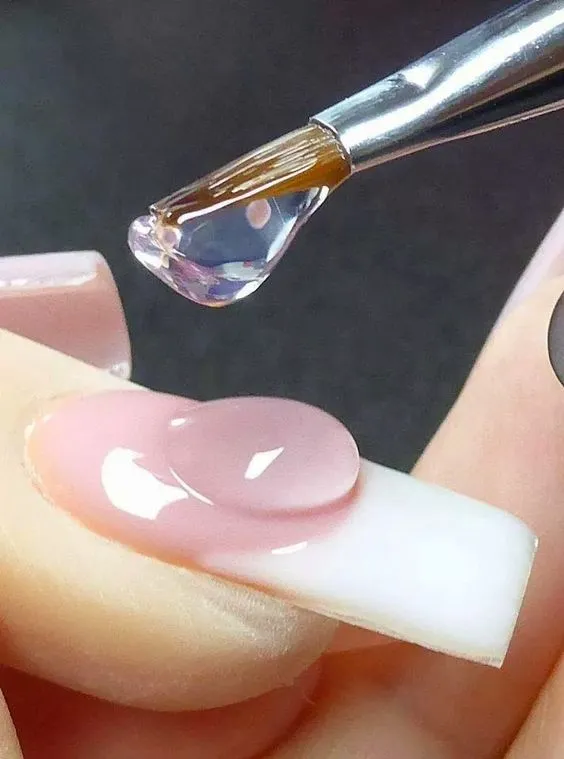
- Nail prep: The nail technician cleans, files, and buffs your natural nails.
- Base coat: A gel base coat is applied and cured under the lamp.
- Color layers: Two or more layers of gel color are applied, with each layer cured under the LED/UV lamp for 30–60 seconds.
- Top coat: A gel top coat is applied and cured for a high-gloss finish.
- Finishing: The sticky residue (inhibition layer) is wiped off, and cuticle oil is applied.
The entire process takes about 45–75 minutes and requires no drying time — your nails are immediately hard and smudge-proof after curing.
How Acrylic Nails Are Applied
- Nail prep: Nails are cleaned, shaped, and buffed. A dehydrator or primer is applied to the natural nail.
- Tip application (optional): If adding length, a plastic nail tip is glued onto the natural nail.
- Acrylic application: Using a brush dipped in liquid monomer, the technician picks up acrylic powder and applies the mixture to the nail, sculpting it into the desired shape.
- Air drying: The acrylic hardens on its own within minutes — no lamp needed.
- Filing and shaping: Once hardened, the nail is filed and shaped.
- Finishing: Nail polish or gel polish can be applied on top for color.
Acrylics typically take 60–90 minutes for a full set.
5. Durability and Longevity
Gel nails typically last 2–3 weeks before you’ll notice lifting or chipping. They’re flexible, which means they move with your natural nail and are less likely to crack — but this same flexibility means they don’t last quite as long as acrylics.
Acrylic nails are significantly more durable and can last 3–6 weeks with proper care. Because they’re rigid and hard, they resist everyday wear and tear better than gel. However, if an acrylic nail does break, it can crack severely — potentially damaging the natural nail underneath.
Fill appointments are needed for both types as your natural nail grows. For gels, most people get a fresh set every 2–3 weeks. For acrylics, a fill every 2–3 weeks keeps the look maintained, even if the full set lasts longer.
6. Appearance and Finish
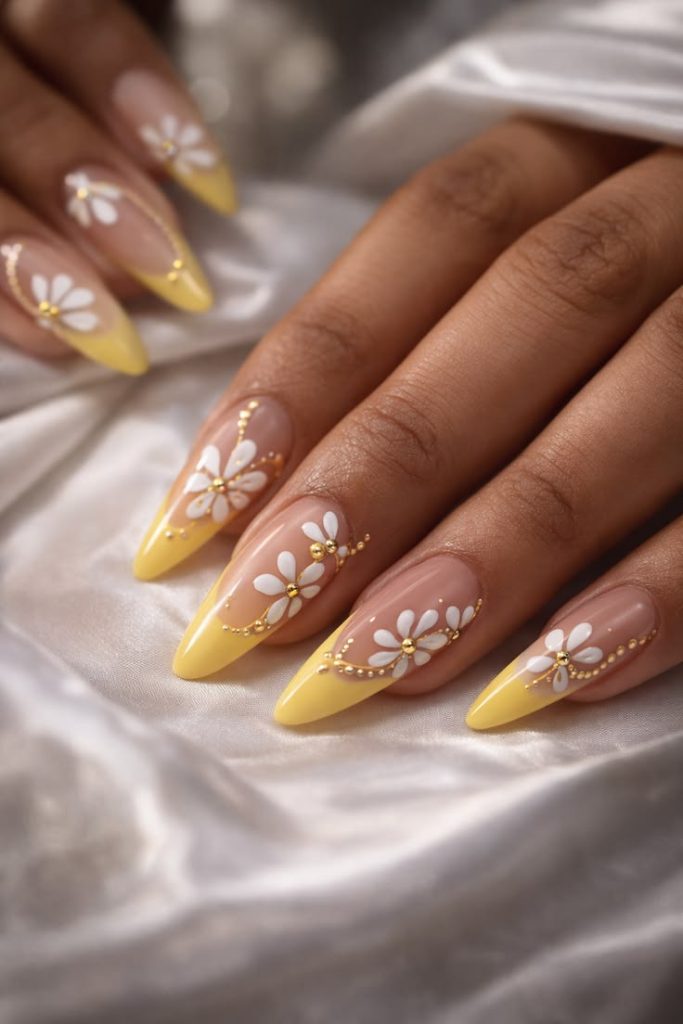
If a natural, glossy look is your priority, gel nails win hands down. They sit closer to the natural nail and have a smooth, glossy finish that looks elegant and polished. Gel overlays on natural nails are nearly indistinguishable from a perfect natural nail.
Acrylic nails offer more customization in shape and length. Because they can be sculpted, nail technicians can create almost any shape — coffin, stiletto, almond, square — with impressive precision. They can also be used as a base for intricate nail art, 3D designs, and embellishments.
Both types can be finished with regular polish, gel polish, or left clear/natural.
7. Cost Comparison
Gel Nails Cost
- Gel manicure (overlay only): ₹1,500–₹3,500 in India / $35–$65 in the US
- Gel extensions: ₹2,500–₹5,000 / $55–$100+
- Removal: ₹500–₹1,000 / $10–$20
Acrylic Nails Cost
- Full acrylic set: ₹1,200–₹3,000 / $30–$70
- Acrylic fill: ₹800–₹1,500 / $15–$35
- Removal: ₹500–₹1,000 / $10–$20
In general, acrylics are slightly more affordable upfront, especially for fills. However, gels may work out similarly priced over time because they tend to be gentler on nails, potentially reducing the need for nail repair treatments.
8. Safety and Nail Health
This is one of the most important factors for many people, and both types carry some considerations.
Gel Nail Safety
- UV/LED exposure: Curing gel requires a lamp. UV lamps carry a small risk of UV exposure; applying SPF sunscreen to your hands before curing is a recommended precaution.
- Nail thinning: Repeated buffing to prep the nail can thin the nail plate over time.
- Allergic reactions: Some people develop sensitivities to gel ingredients, particularly if uncured gel touches the skin.
Acrylic Nail Safety
- Chemical fumes: The liquid monomer in acrylics has a strong smell and can irritate poorly ventilated spaces.
- MMA vs EMA: Methyl Methacrylate (MMA) is a cheaper liquid monomer that many countries have banned for use in nail salons due to its health risks. Always ensure your salon uses Ethyl Methacrylate (EMA), which is the safer, industry-standard alternative.
- Nail damage: Improper removal of acrylics — especially forceful peeling — is one of the most common causes of nail damage.
- Fungal infections: If moisture gets trapped between the acrylic and natural nail, it can create an environment for fungal growth.
Overall: Gel nails are considered gentler on natural nails, particularly soft gel polish. Acrylics are safe when applied and removed correctly by a trained technician.
9. Removal Process
Proper removal is crucial for maintaining nail health with either system.
Removing Gel Nails
- Soft gel/gel polish: Soak cotton pads in acetone, wrap each nail in foil, and wait 10–15 minutes. The gel peels off easily.
- Hard gel: Cannot be soaked off — must be filed down carefully without damaging the natural nail.
Removing Acrylic Nails
- File down the top layer, then soak fingertips in acetone for 20–30 minutes until the acrylic softens and can be gently scraped off.
- Never forcefully pull or peel acrylic nails — this strips layers from the natural nail and can cause significant damage.
Always follow removal with cuticle oil and a strengthening treatment to restore nail health.
10. Who Should Choose Gel Nails?
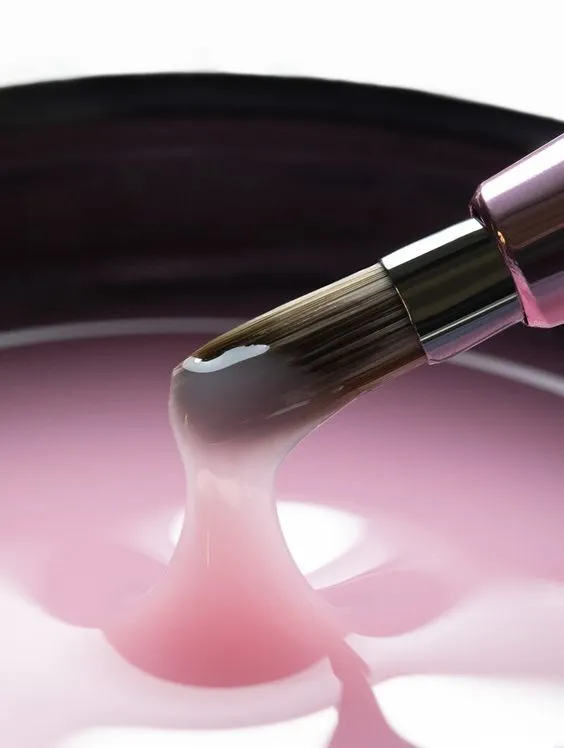
Gel nails are the better choice if you:
- Want a natural, glossy look close to the natural nail
- Have sensitive nails or are prone to breakage
- Prefer less chemical smell during application
- Are a nail-biter trying to protect shorter nails
- Want a quick, efficient application with no drying time
- Are you looking for an everyday, low-maintenance enhancement
11. Who Should Choose Acrylic Nails?
Acrylic nails are the better choice if you:
- Want dramatic length or very specific nail shapes
- Love intricate 3D nail art and embellishments
- Need extra strength and durability for your lifestyle
- Are on a tighter budget and need longer-lasting fills
- Work in environments where nails take heavy wear
12. Frequently Asked Questions
Are gel nails better than acrylic nails?
Neither is universally “better” — it depends on your needs. Gel nails are gentler and more natural-looking, while acrylics offer more strength and customization.
Do gel nails or acrylics last longer?
Acrylics typically last longer (3–6 weeks vs 2–3 weeks for gel), but gel is less likely to snap or crack.
Which is less damaging to natural nails?
Gel nails are generally considered less damaging, especially soft gel polish. Acrylics can cause more damage if improperly removed.
Can you get gel on acrylic nails?
Yes! Many nail technicians apply gel polish over acrylic nails to add color and shine. This is a common and popular combination.
How do I know if my salon uses safe products?
Ask your technician if they use EMA-based liquids for acrylics (not MMA), and check that lamps are well-maintained. A reputable salon will be transparent about their products.
Can I remove gel or acrylic nails at home?
It’s possible but not recommended. Improper removal is the leading cause of nail damage. If you must do it at home, always use the acetone-soak method — never peel or force the enhancement off. for more detail click https://sparkledestiny.com/wp-admin/post.php?post=40&action=edit
13. Final Verdict: Gel Nails vs Acrylic Nails
There’s no one-size-fits-all answer in the gel nails vs acrylic nails debate — and that’s the beauty of having both options.
Choose gel nails if you prioritize a natural look, nail health, and a comfortable, low-odor experience. They’re perfect for everyday wear and those who want to keep their nails looking polished without going too dramatic.
Choose acrylic nails if you crave length, strength, and maximum customization. They’re the go-to for bold nail art lovers and anyone who needs their enhancements to withstand a busy, active lifestyle.
Whichever you choose, the most important factors are finding a skilled, reputable nail technician, following proper aftercare, and giving your natural nails a break between sets to stay healthy and strong.
Looking for more nail care tips? Explore our guides on the best nail strengtheners, at-home manicure routines, and how to make your salon manicure last longer. clik the link: https://sparkledestiny.com/wp-admin/post.php?post=2978&action=edit
Target Keywords: gel nails vs acrylic nails, gel nails, acrylic nails, gel vs acrylic, nail enhancements, nail extensions, gel manicure, acrylic nail set, nail health, remove gel nails, remove acrylic nails
Secondary Keywords: hard gel nails, soft gel nails, nail fill, UV gel nails, nail damage, EMA monomer, nail overlay, nail art. for more click https://www.instagram.com/digitvandy/